You can avoid unpleasant surprises, if you know what to look out for when placing an order for securities.
You’ve just opened a securities account with a brokerage company or an online bank, and want to buy your first shares. You place an order to purchase the security you wish to invest in.
1. Make sure you choose the correct security
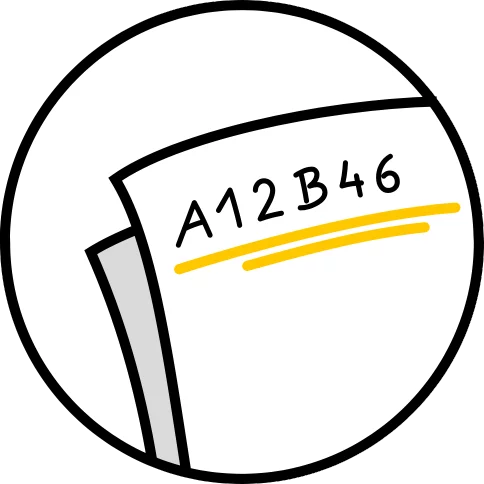
An ISIN (International Securities Identification Number), consisting of a twelve character combination of letters and numbers, is assigned to every security. This shows existing which security is meant, helping to avoid any possible confusion in the event of a single undertaking offering different securities.
2. Choose a stock exchange or trading venue

Shares are frequently traded at various trading venues. Inform yourself in advance via your broker, and make sure to choose liquid trading venues (with a strong turnover).
3. Watch out for fees

Fees may differ depending on the stock exchange or trading venue chosen. Fees charged may affect your returns – it’ can pay’s worth comparing fees! Check whether your broker can offer trading more cheaply or even free of charge at certain trading venues.
4. How much do you want to invest?
Consider how much you wish to invest in advance. You should either have a certain number of shares or a fixed amount of money in mind. When you fill in the order form, you are either shown the number of shares you anticipate buying, or how much the transaction will cost.

5. Buy or sell
Make sure you select the correct option in the order form In our case, choose “buy”.
6. Market or Limit Order
Consider whether it is more important to buy the share as quickly as possible, even though there might be a difference between the purchase price or the most recent price shown, or whether you wish to set a fixed maximum price that you are willing to pay.

Market Order
Your order will be executed immediately at the next best available price – provided there is a matching counter-offer.

Limit Order
You define a maximum purchase price. The order will only be executed when this
price is less than or equal to it.
7. define how long an offer is valid for
You can define how long your order should be valid for:

Valid for the day
expires at the end of the trading day.
Valid until (date):
the order remains valid until a certain date.
The purchased stock will appear in your securities account as soon as your order has been executed. You can also see the exact purchase price and can follow how the price develops thereafter.
Further information
Further details about trading in securities can be found on the Wiener Börse website.
This edition was written in cooperation with Wiener Börse.
A to Z of Finance:
A-Z of Finance: www.fma.gv.at > A-Z of Finance
Instagram: @redenwiruebergeld
Podcast: listen here!
Broker:
a provider through whom you buy and sell securities. When choosing a broker, check which securities are tradable, and what charges are incurred for buying, selling and custody.
Share:
a security that constitutes an ownership stake in a company. Shareholders may profit from increases in the share price and dividends (distributions of profits). The share price on the stock exchange is determined based on supply and demand.
Spread:
the difference between the price for buying and selling. The lower the spread, the more attractive it is for investors.